
Document intelligence
Detect identity documents, scan structured fields, validate MRZ data, and check document quality.
Document and image processing API
Send an identity document, vehicle photo, or other supported image. Scanverion detects what is present and returns extracted fields, locations, confidence scores, and quality checks in one API response.
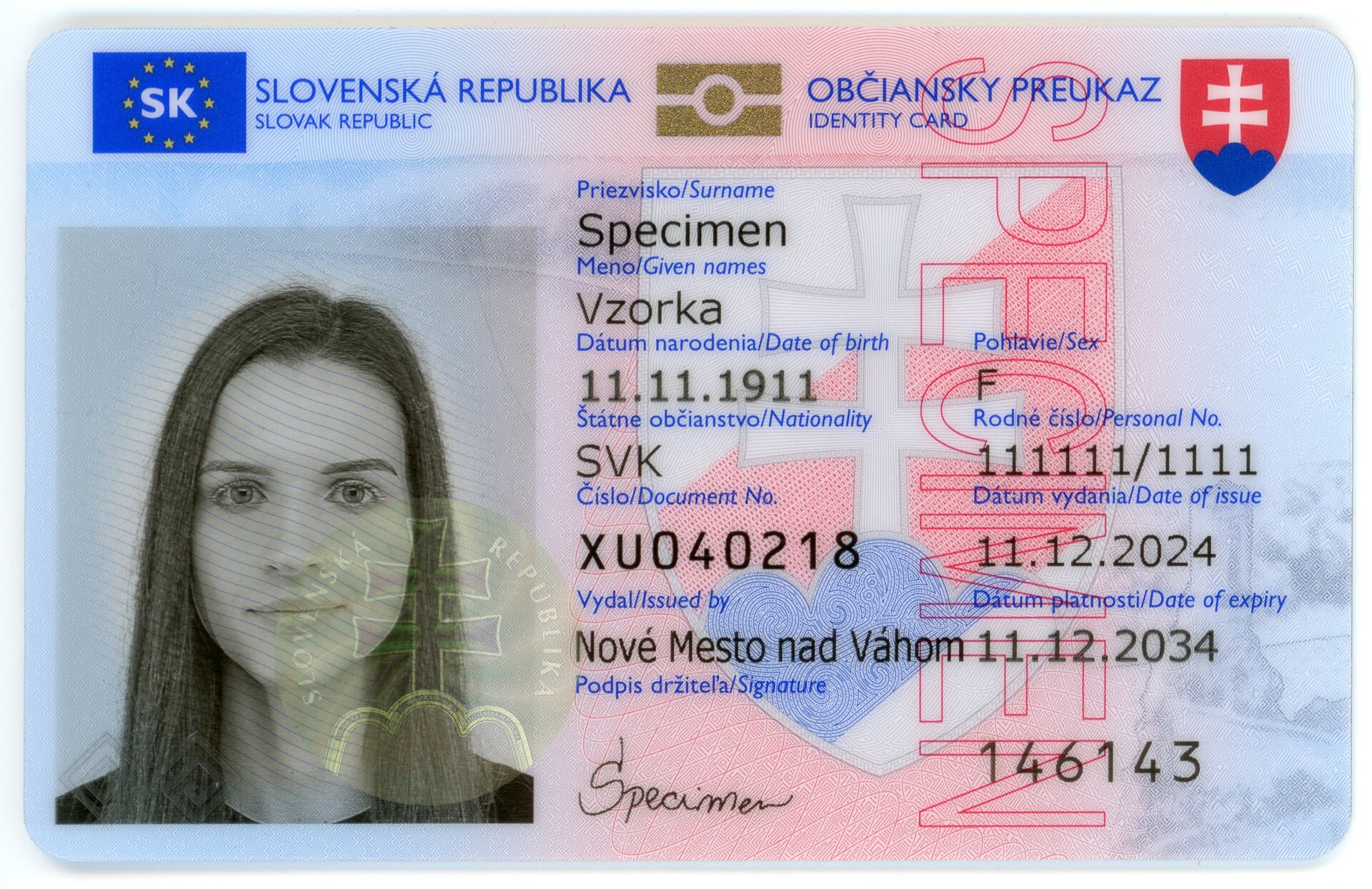 Identity document99.7%Face · 98.7%Quality · clear
What you can process
Each result stays attached to the object that produced it, so your application receives useful context instead of unrelated fragments.
Detect identity documents, scan structured fields, validate MRZ data, and check document quality.
Locate documents, vehicles, faces, barcodes, checkboxes, and signatures with object-level confidence.
Measure blur, determine rotation, and keep every quality result attached to the object that produced it.
Check lost or stolen identity cards and resolve postal address data through dedicated validation resources.
Designed for integration
Typed operations, consistent errors, and generated OpenAPI make the API straightforward to inspect, test, and add to backend services.
{
  "requestId": "req_01K39C9X",
  "model": "Document",
  "processingTimeMs": 487,
  "objects": [
    {
      "category": "IdentityDocument",
      "confidence": 0.992,
      "results": {
        "scanner": { "fields": { "surname": "Novakova" } },
        "blur": { "isBlurred": false },
        "rotation": { "degrees": 0.4 },
        "faces": [{ "confidence": 0.987 }]
      }
    }
  ]
}
Evaluate Scanverion